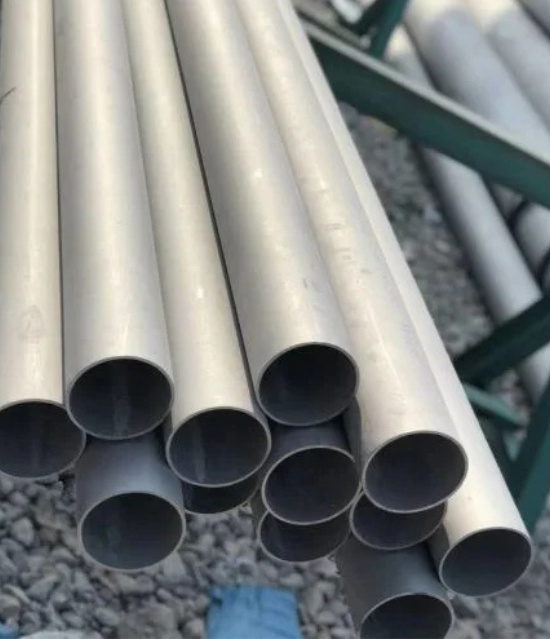
ERW Stainless Steel Pipes


ERW (Electric Resistance Welded) stainless steel pipes are manufactured by rolling stainless steel plates or coils and welding them longitudinally using electric resistance welding. These pipes offer excellent corrosion resistance, strength, and durability, making them suitable for various industrial applications.

Specifications:
- Grades available: SS304, SS304L, SS316, SS316L, SS321, SS347, Duplex Stainless Steel
- Size range: 1/2" to 36" OD
- Wall thickness: Schedule 10 to Schedule 160
- Length: Standard lengths of 6 meters, 12 meters (custom lengths available)
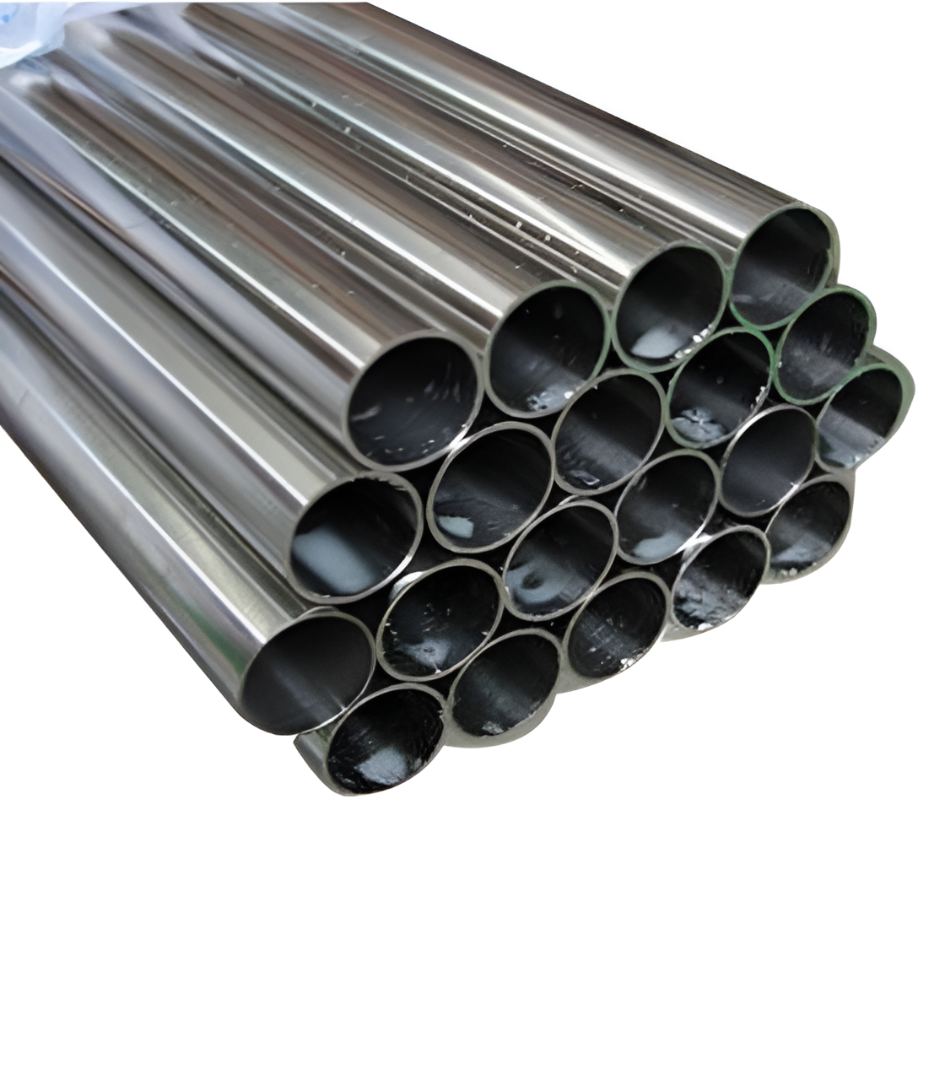
- Finish: Mill Finish, Pickled & Passivated, Polished, Bright Annealed
- End types: Plain End, Beveled End, Threaded End, Socket Weld End

  • Description
  • Additional Information
  • Applications

ERW stainless steel pipes are produced using the Electric Resistance Welding process, which involves rolling stainless steel plates or coils and welding them longitudinally using electric resistance welding. This process ensures a strong and uniform joint, resulting in pipes with excellent mechanical properties.

These pipes are available in various grades, each offering unique properties suited for specific applications. The addition of alloying elements imparts specific characteristics such as enhanced strength, improved wear resistance, and better performance at elevated temperatures.

  • High tensile strength and toughness

  • Excellent resistance to wear and corrosion

  • Suitable for high-temperature applications

  • Available in various grades and sizes

Material: Stainless Steel
Grades: SS304, SS304L, SS316, SS316L, SS321, SS347, Duplex Stainless Steel
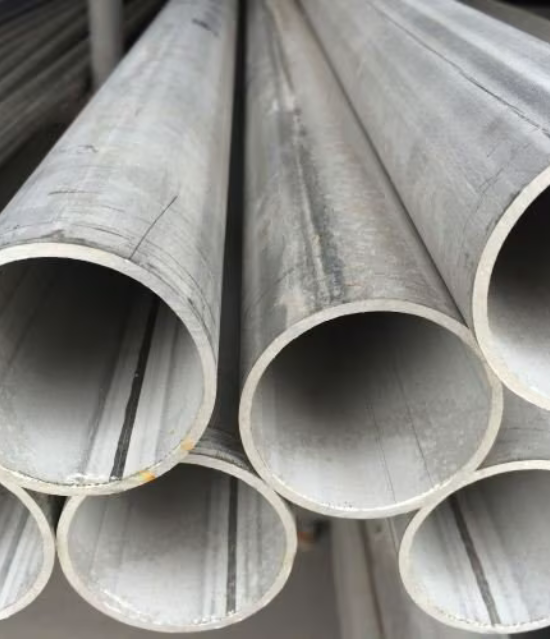
Size: 1/2" to 36" OD
Wall Thickness: Schedule 10 to Schedule 160
Length: Standard lengths of 6 meters, 12 meters (custom lengths available)
Finish: Mill Finish, Pickled & Passivated, Polished, Bright Annealed
End Types: Plain End, Beveled End, Threaded End, Socket Weld End
  • Oil & Gas: Transportation of oil, gas, and other fluids.

  • Water Treatment: Piping systems for desalination plants and water processing units.

  • Construction: Structural supports and architectural uses.

  • Food & Beverage: Hygienic transport of liquids in processing plants.

  • Chemical Processing: Handling corrosive chemicals in manufacturing setups.

  • Power Plants: Steam piping and utility lines.

  • Automotive & Railways: Exhaust systems and structural components.

Go Back Top