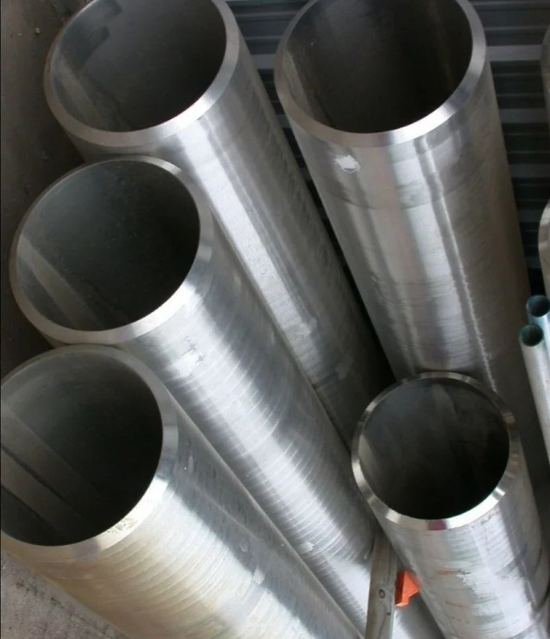
Nickel Alloy 200/201 Pipe


Nickel Alloy 200 and 201 are commercially pure wrought nickel alloys, with Nickel 201 having a lower carbon content than Nickel 200. These alloys offer excellent corrosion resistance, high thermal and electrical conductivity, and good mechanical properties, making them suitable for various industrial applications.

Specifications:
- Grades available: Nickel 200 (UNS N02200), Nickel 201 (UNS N02201)
- Size range: 1/8" to 26" OD
- Wall thickness: Schedule 10 to Schedule 160
- Length: Single Random, Double Random, or Cut Lengths
- Finish: Mill Finish, Pickled & Passivated, Polished, Bright Annealed
- End types: Plain End, Beveled End, Threaded End, Socket Weld End

  • Description
  • Additional Information
  • Applications

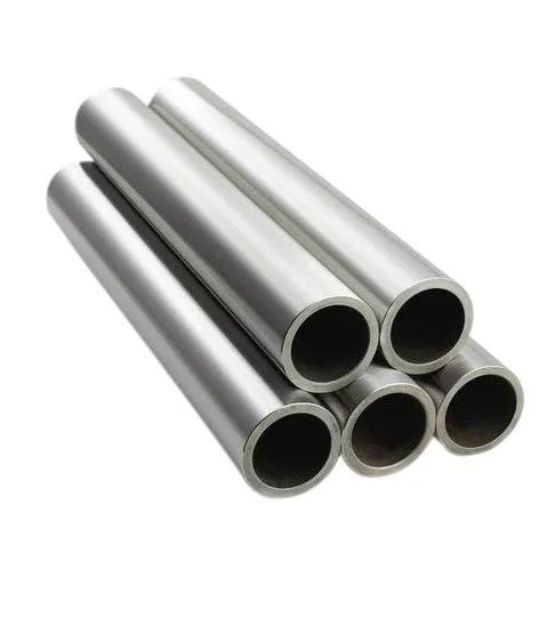
Nickel Alloy 200 is a commercially pure wrought nickel with excellent mechanical properties and resistance to many corrosive environments. It is magnetic and has good thermal and electrical conductivity. Nickel Alloy 201 is similar but with a lower carbon content, making it more suitable for high-temperature applications.

These alloys are characterized by high ductility, ferromagnetism, and high electrical and thermal conductivity. They offer excellent resistance in alkaline media and are used in various applications requiring resistance to corrosion and high temperatures.

  • High tensile strength and toughness

  • Excellent resistance to wear and corrosion

  • Suitable for high-temperature applications

  • Available in various grades and sizes

Material: Nickel Alloy 200/201
Grades: UNS N02200 (Nickel 200), UNS N02201 (Nickel 201)
Size: 1/8" to 26" OD
Wall Thickness: Schedule 10 to Schedule 160
Length: Single Random, Double Random, or Cut Lengths
Finish: Mill Finish, Pickled & Passivated, Polished, Bright Annealed
End Types: Plain End, Beveled End, Threaded End, Socket Weld End
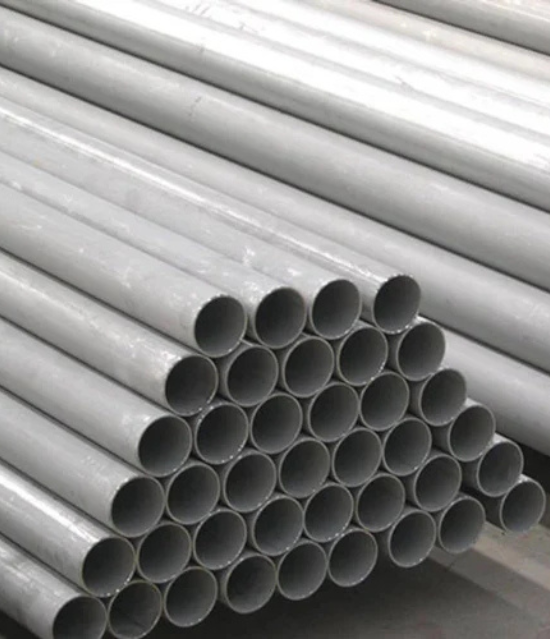
  • Food Processing Equipment

  • Marine and Offshore Engineering

  • Salt Production

  • Caustic Handling Equipment

  • Manufacture and Handling of Sodium Hydroxide

  • Reactors and Vessels in Fluorine Processing

Go Back Top